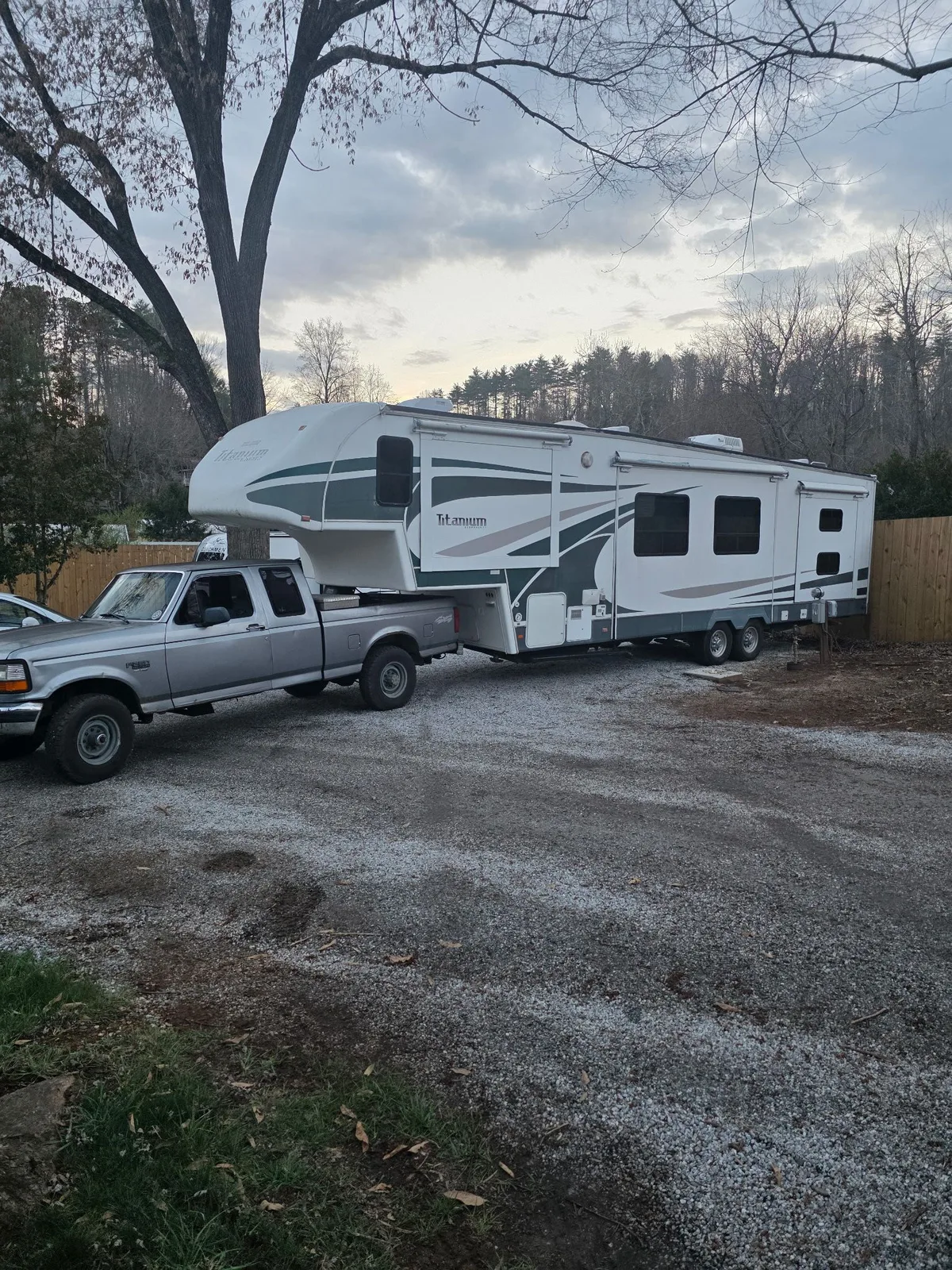
Weak flames, LP alarm going off, suspect a leak. We service RV propane systems on-site across Martin County including regulators, leak testing, and LP detectors. Service starts at $45.
Propane runs some of the most important systems in your RV: the water heater, refrigerator, stove, oven, furnace, and sometimes even the generator. It's the fuel that keeps you comfortable when you're off the grid. But propane is also a compressed flammable gas, which means the system that stores, regulates, and distributes it needs to work correctly every time.
RV propane system service covers everything from the tank to the appliance connections. That includes the propane tanks or cylinders themselves, the regulator that steps high-pressure tank gas down to the 11 inches of water column pressure your appliances need, the distribution lines that run through your RV, the shutoff valves at each appliance, and the LP gas detector that monitors for leaks inside the living space.
Here in Martin County, the combination of heat, humidity, and salt air creates an aggressive environment for propane components. Regulator diaphragms deteriorate, brass fittings corrode, and rubber O-rings dry out faster than they would in drier climates. Regular service catches these issues before they become safety hazards.
RV propane system service covers LP detector replacement ($45-95), leak testing ($65-125), regulator replacement ($75-165), and tank valve service ($85-175). We inspect, test, and repair your complete propane system on-site anywhere in Martin County.
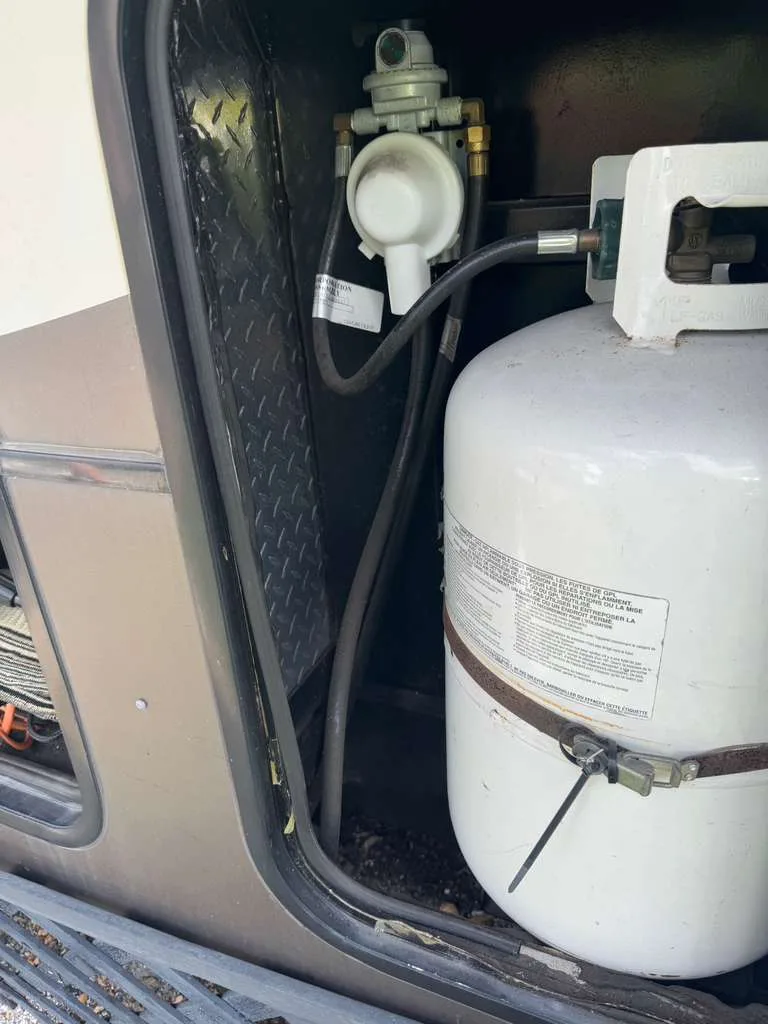
We inspect all propane lines, fittings, the regulator, tank condition, and valve operation. We look for corrosion, physical damage, and signs of previous leaks.
Using a manometer per NFPA 1192, we lock down the system and watch for any pressure drop over a three-minute test period. Even tiny leaks show up as measurable drops.
We swap out corroded regulators, failing LP detectors, leaking valves, or deteriorated gas lines. All replacement parts meet or exceed OEM specifications.
Every appliance is tested for proper ignition, flame color, and steady operation. We re-test system pressure after repairs and verify the LP detector responds correctly.
| Service | Price Range |
|---|---|
| LP Gas Detector Replacement | $45 - $95 |
| Propane Leak Test (full system) | $65 - $125 |
| Regulator Replacement | $75 - $165 |
| Tank Valve Service | $85 - $175 |
Final pricing depends on your system's configuration. You'll get a firm quote before we start.
Propane problems are safety problems. Don't ignore these warning signs:
LP detector replacement costs $45-95, leak testing runs $65-125, regulator replacement is $75-165, and tank valve service costs $85-175. We'll inspect your system and give you a firm price before starting any work.
Common signs include weak or yellow flames on your stove, your water heater taking longer than usual to heat, a hissing sound from the regulator area, or your appliances not igniting at all even though the tank has gas. Regulators wear out over time, and Florida's humidity speeds up the corrosion process. Most should be replaced every 10-15 years.
At least once a year, or anytime you've had work done on gas lines or fittings. The NFPA 1192 standard recommends a leak test after any component replacement. We use a manometer to check the entire system for pressure drop, which detects even tiny leaks that soap bubble testing might miss.
LP detectors have a lifespan of about 5-7 years, and as they age, they become more sensitive and prone to false alarms. Cleaning products, hairspray, humidity, and even pet dander can trigger them. If your detector is more than 5 years old and giving false alerts, it's time to replace it rather than ignoring it or disconnecting it.
There are differing opinions on this. Some RVers leave propane on to keep the fridge running while driving, and that's generally fine as long as your system is leak-free and properly maintained. However, you must turn off propane before entering gas stations or going through tunnels. The bigger concern is a loose fitting or damaged line that could leak during road vibration.
Yes, we can help with that conversion. ASME tanks are permanently mounted and don't need to be removed for filling since they have an external fill port. They hold more propane than standard DOT cylinders and are generally more convenient for full-time RVers. The installation involves mounting the tank, running new gas lines, and installing a proper fill connection.
Gas system issues are safety issues. We'll come to you, test the entire system, and give you a firm price before any work starts.
Call 772-271-5270